CSS Exam Pakistan 2027: Complete Guide, Dates, Eligibility & Syllabus
Everything about the CSS exam in Pakistan — what it is, who conducts it, eligibility, exam stages, and how to start preparing for CSS 2026.
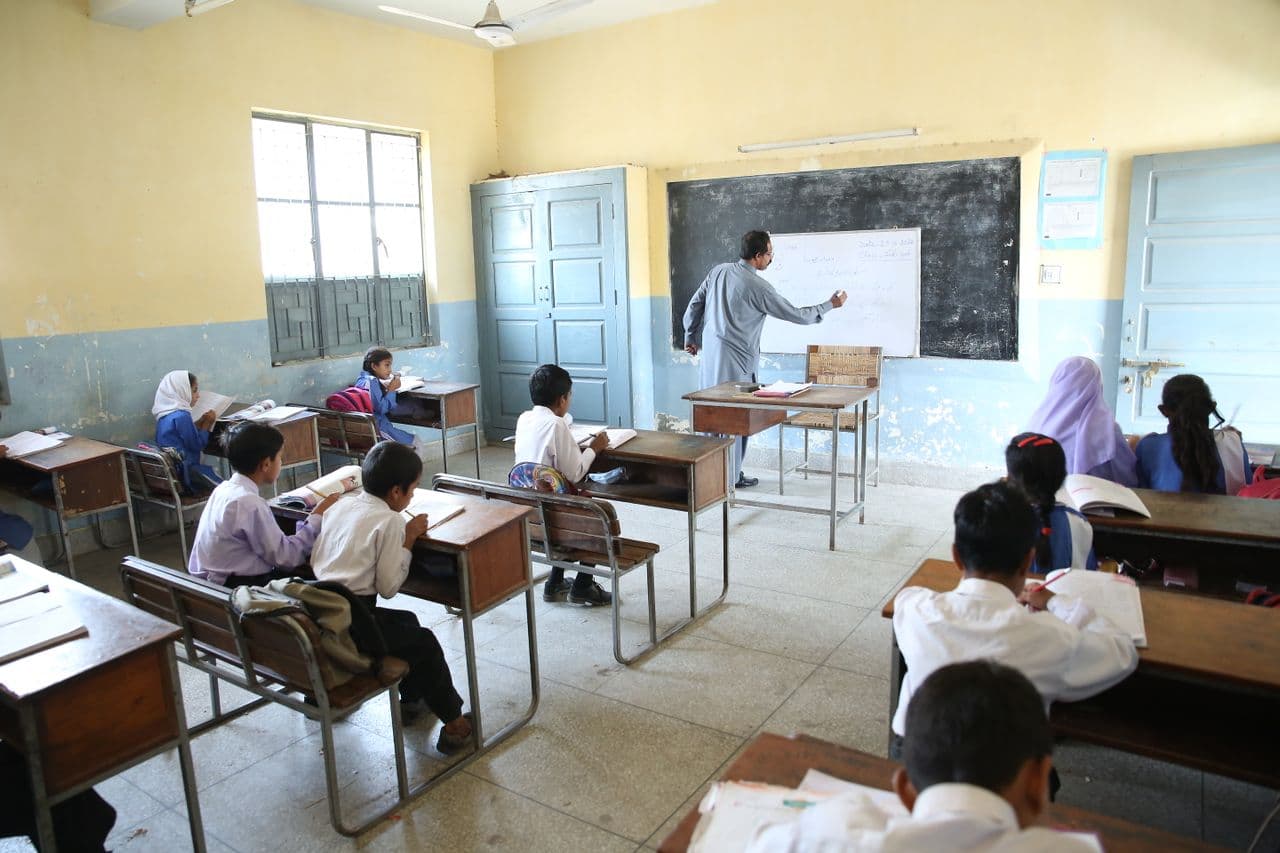
The CSS exam (Central Superior Services examination) is Pakistan's most prestigious competitive exam. Passing CSS opens the door to the highest tiers of the civil bureaucracy — including the Pakistan Administrative Service (PAS), Foreign Service of Pakistan (FSP), Police Service of Pakistan (PSP), and dozens of other elite government service groups. This guide covers everything a beginner needs to know about CSS in 2026.
CSS 2027 Key Dates
- MPT (preliminary test): 10 October 2026, rescheduled from 27 September.
- Written exam advertisement: 8 November 2026.
- Online applications: 10 to 25 November 2026; hard copies of the application are due at FPSC by 4 December 2026.
- Written exam starts: 27 January 2027.
FPSC calls the written-exam dates tentative until the advertisement is published, so confirm on fpsc.gov.pk. Track every date on our exam calendar, and practise for the MPT with the CSS MPT QBank.
What is the CSS Exam?
CSS stands for Central Superior Services. The exam is conducted annually by the Federal Public Service Commission (FPSC) to recruit officers for Grade 17 (BS-17) positions in the federal government. It is often compared to the Indian Civil Services (IAS) exam and the British Civil Service exam in terms of prestige and difficulty.
Why is CSS So Important?
- Career prestige: CSS officers hold top administrative, diplomatic, and law enforcement positions across Pakistan.
- Job security: Government service provides lifelong employment, pension, and benefits.
- Power and influence: CSS officers serve as Deputy Commissioners, Ambassadors, SSPs, and Secretaries — roles that shape national policy.
- Social mobility: CSS is one of the few pathways where merit can take a middle-class Pakistani to the highest levels of government.
CSS Exam Structure: Three Stages
The CSS selection process has three distinct stages:
Stage 1: Written Examination
This is the main hurdle. Candidates sit for 12 papers over roughly two weeks:
- 6 compulsory papers (600 marks total)
- 6 optional papers (600 marks total) — you choose 3 groups of 2 subjects each
Total written exam marks: 1,200. The passing threshold varies by year but typically requires 50%+ overall with no paper below 33%.
Stage 2: Psychological Assessment and Medical
Candidates who pass the written exam undergo psychological testing and a medical examination to assess fitness for service.
Stage 3: Viva Voce (Interview)
The final stage is a panel interview worth 300 marks. The interview assesses personality, general knowledge, current affairs awareness, and communication skills.
Final merit: Written (1,200) + Interview (300) = 1,500 marks total.
CSS 2026 Timeline (Expected)
- Advertisement: September–October 2025
- Application deadline: October–November 2025
- Written exam: February–March 2026
- Results: June–August 2026
- Interview: September–November 2026
- Final result: December 2026 – January 2027
Compulsory Papers
| Paper | Marks |
|---|---|
| English Essay | 100 |
| English (Précis and Composition) | 100 |
| General Science and Ability | 100 |
| Current Affairs | 100 |
| Pakistan Affairs | 100 |
| Islamic Studies / Ethics (for non-Muslims) | 100 |
How Competitive is CSS?
CSS is extremely competitive. Typical statistics:
- Applications: 20,000–30,000 per year
- Appear in written exam: 10,000–15,000
- Pass written exam: 300–500 (2–3% pass rate)
- Final selection: 200–400 officers
The written exam is where most candidates are eliminated. Consistent, structured preparation over 8–12 months is essential.
Service Groups After CSS
Based on your final merit ranking, you are allocated to a service group. The most sought-after groups include:
- PAS (Pakistan Administrative Service): Deputy Commissioners, Commissioners, Secretaries
- FSP (Foreign Service of Pakistan): Diplomats and Ambassadors
- PSP (Police Service of Pakistan): ASPs, SSPs, IGPs
- OMG (Office Management Group): Section Officers, Joint Secretaries
- Inland Revenue Service, Customs, Audit & Accounts and more
How to Start Preparing for CSS 2026
- Read the FPSC syllabus carefully — Download the official CSS syllabus from fpsc.gov.pk.
- Choose your optional subjects wisely — Pick subjects you are genuinely interested in and that have good pass rates.
- Build a reading habit — Read Dawn, The News, or Express Tribune daily for current affairs.
- Join a CSS forum or study group — Peer support and discussion sharpen your understanding.
- Practice essay writing weekly — CSS essays are the most decisive paper. Start early.
- Solve past papers — FPSC repeats themes and concepts. Past papers reveal patterns.
The CSS exam is a marathon, not a sprint. Start early, stay consistent, and remember that thousands of ordinary Pakistanis have cracked it before you — with the right preparation, you can too.
Also see our CSS age limit and eligibility guide for the current age and attempt requirements.
Practise for the CSS Main Exam
Once you are through the MPT, the Main written papers each open with a 20-mark objective section. Practise it in the CSS Main MCQs QBank; the compulsory-paper MCQ pattern explains marks and timing.
Ready to practise CSS MPT MCQs?
Past-paper MCQs with detailed explanations for CSS MPT.
Start CSS MPT QBankAlso includes 4 free timed mock exams in the real CSS MPT format.